Periodic Inspection
Frequent, periodic, and annual inspections of overhead cranes, hoists, and runways — structural members, brakes, limit switches, wire rope, chain, hooks, and control function.

Overhead Lifting Compliance · Denver, Colorado
Inspection, certification, and load testing for overhead cranes, hoists, and runways — aligned to OSHA and SEMI S2, documented for audit, and scheduled around your production windows.
Who We Are
Most lifting inspectors treat a fab like a warehouse with better lighting. That approach costs you tool downtime, escorted-access headaches, and an audit trail with gaps in it.
SpecBounds is an overhead crane inspection and load testing practice built around semiconductor and precision manufacturing environments. We work to your facility's access and gowning requirements, and inside the maintenance windows your production schedule actually allows.
Every engagement ends the same way: a signed, standards-referenced certificate your EHS team can hand to an auditor without a follow-up question.
Services
Everything below rolls up to two things your auditor cares about: OSHA compliance and, in a fab, SEMI S2 compliance.
Frequent, periodic, and annual inspections of overhead cranes, hoists, and runways — structural members, brakes, limit switches, wire rope, chain, hooks, and control function.
Signed inspection certificates and deficiency reports with photo evidence, issued against the governing standard — plus asset registers and recall scheduling so nothing lapses between cycles.
Static and dynamic proof load testing with calibrated load cells and traceable weights, performed to the rated-capacity requirements of the governing standard.
Gap assessment against OSHA's overhead and gantry crane requirements: inspection intervals, recordkeeping, rated-load markings, and corrective action tracking.
Lifting and handling review aligned to SEMI S2 for semiconductor equipment — supporting tool installs, relocations, and OEM factory acceptance.
Initial inspection and load test of new or relocated equipment before it is placed in service — the step most often missed after a tool move or line expansion.
Industries Served
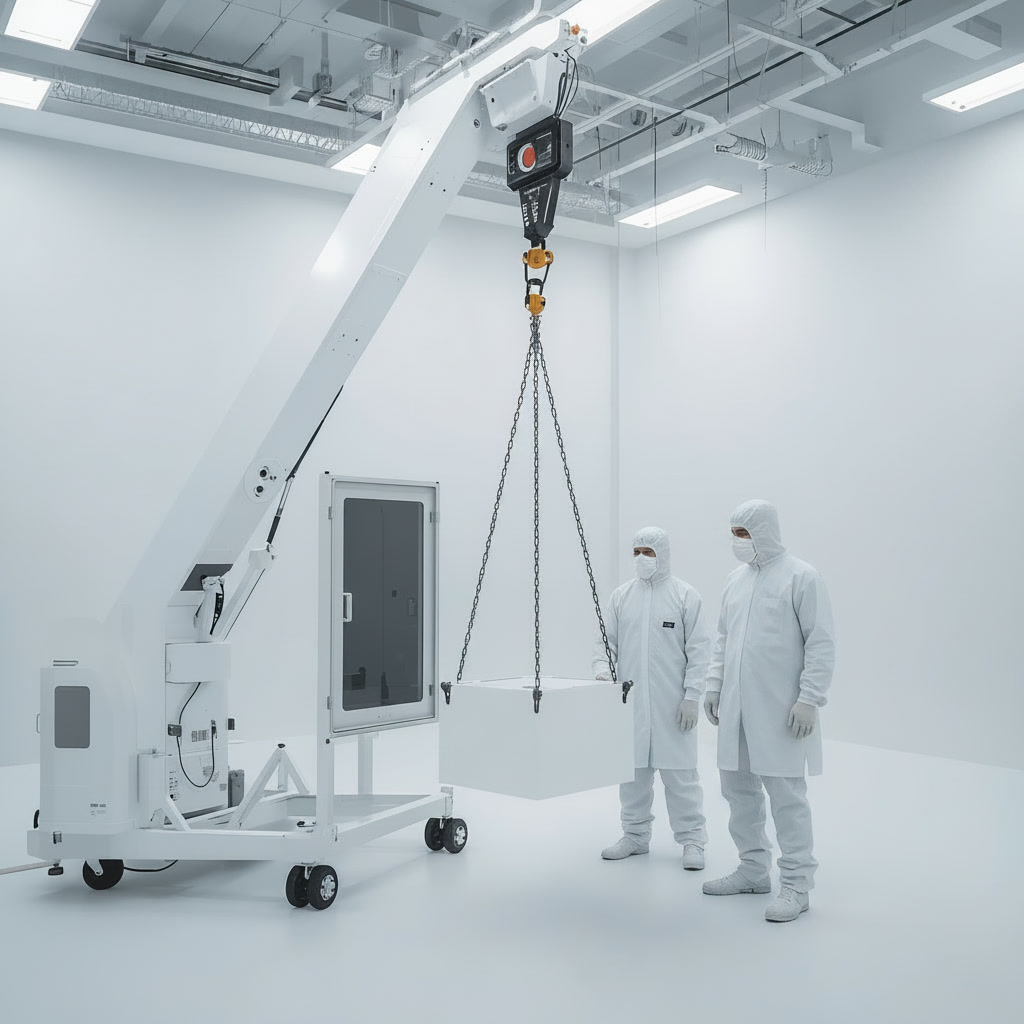
High-value, low-tolerance assemblies where handling equipment failure means a scrapped program milestone, not a scrapped part.
Sub-fab and cleanroom lifting equipment supporting wafer tools, where unplanned downtime is measured against a running production line.
GMP-classified spaces with controlled access, restricted work windows, and a documentation burden that is, if anything, heavier.
Factory acceptance support and load-rating verification for handling equipment that ships alongside your tools.
Warehousing, heavy fabrication, and maintenance shops needing straightforward annual compliance without the cleanroom overhead.
Standards We Work To
We inspect and test to published consensus standards and name them on the paperwork — so your auditor is reading a reference, not taking our word for it.
How An Engagement Runs
We inventory the equipment, pull existing certificates, and identify what is due, overdue, or undocumented.
Procedures written against your facility's access and safety requirements, scheduled into a real maintenance window.
Inspection and proof loading performed with calibrated, traceable instrumentation.
Digital certificates and deficiency reports issued.
Equipment & Recent Work
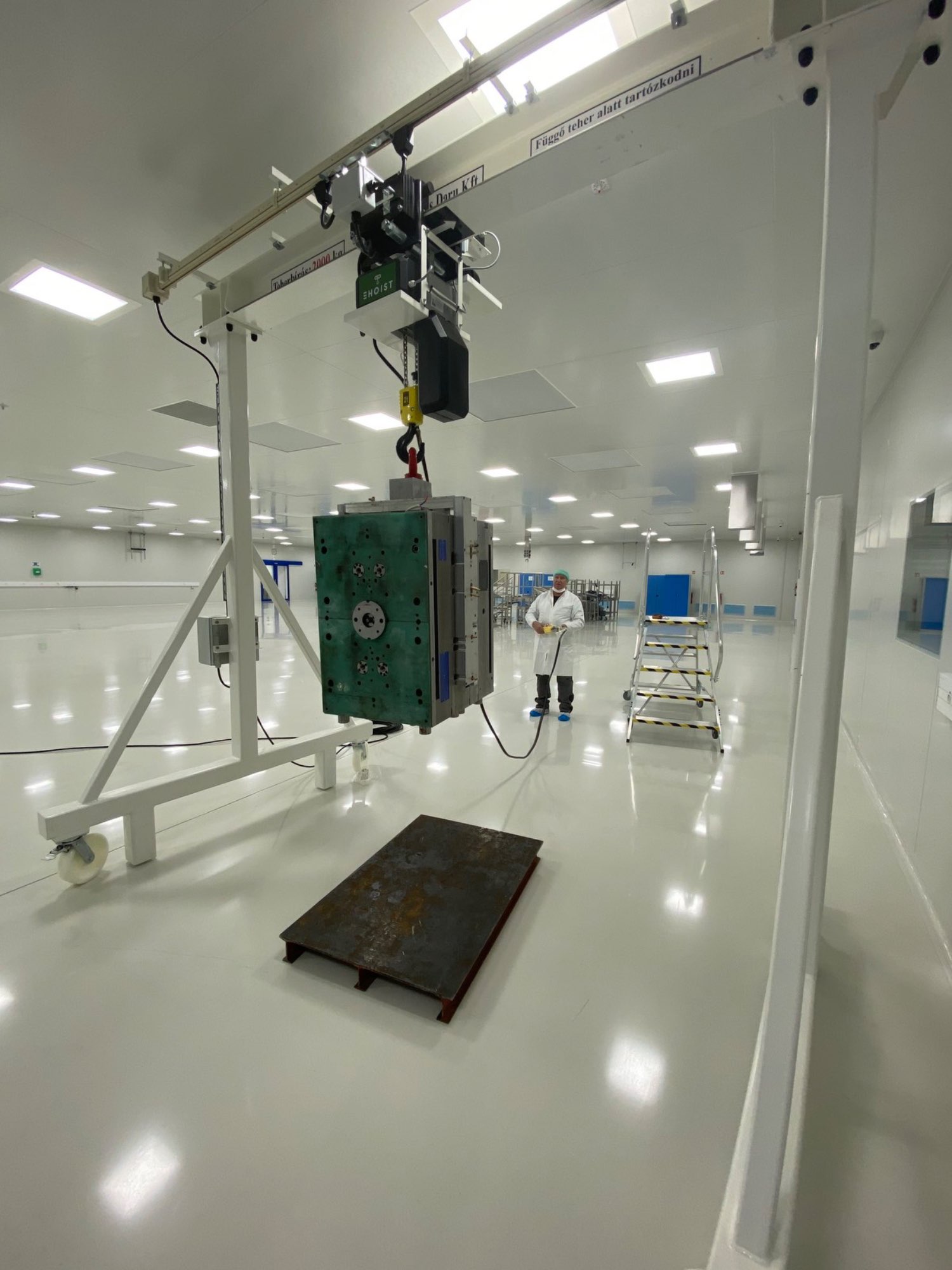
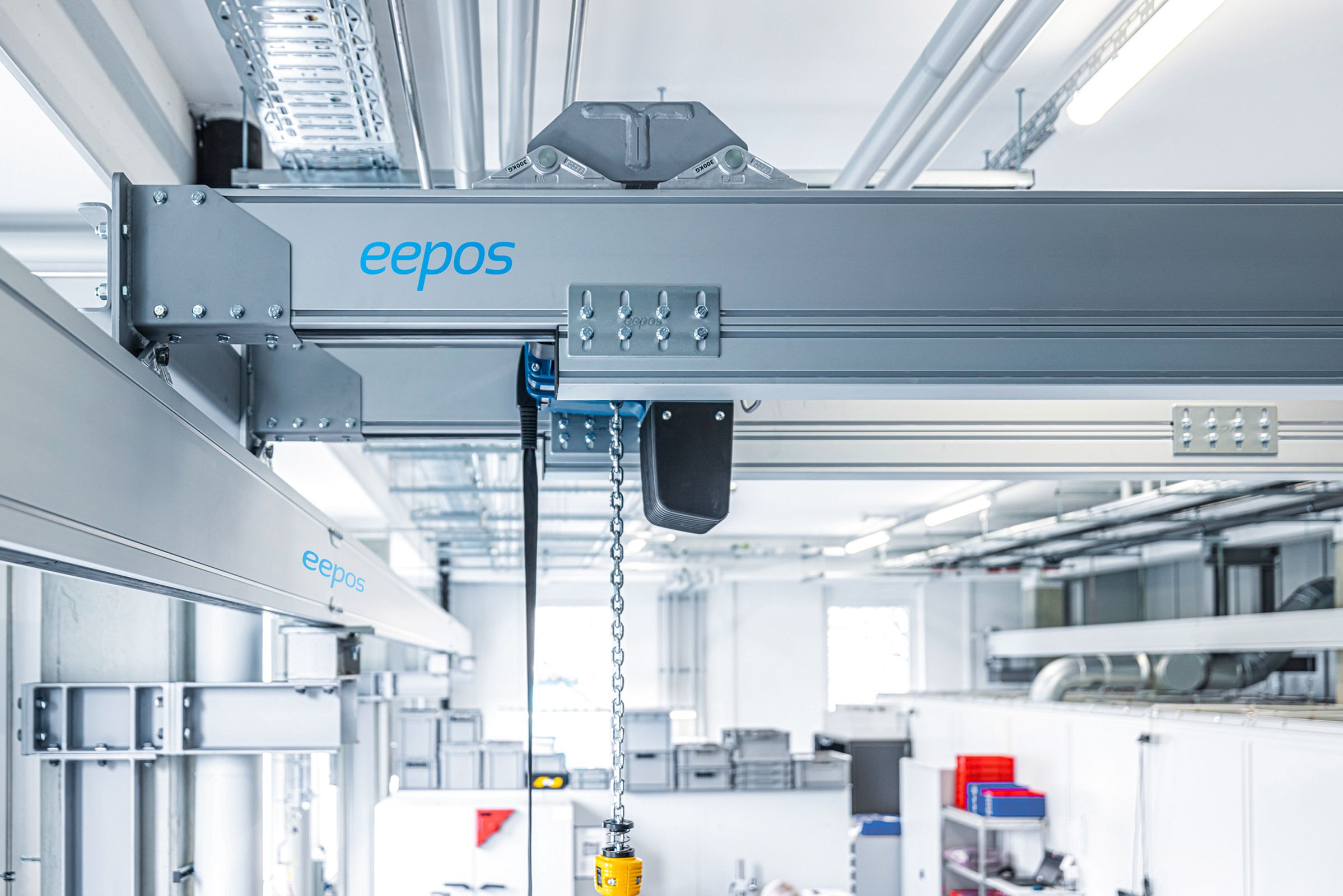
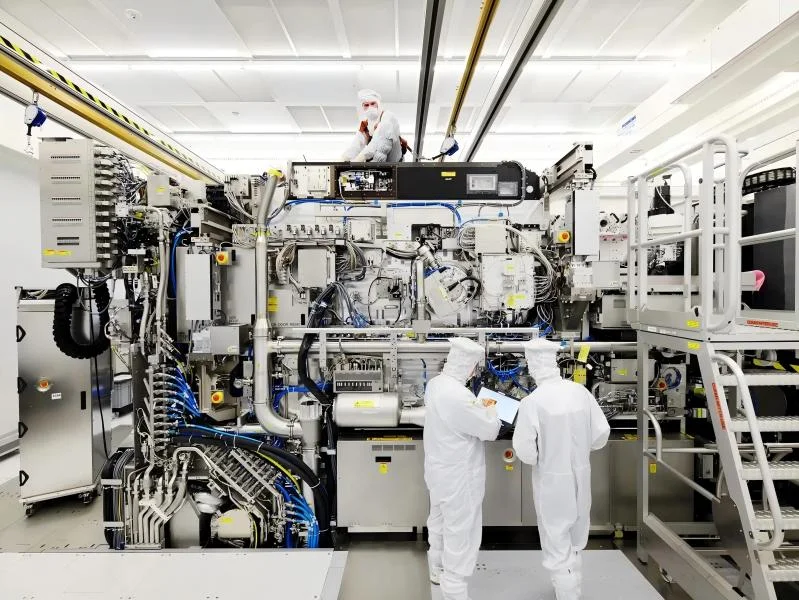
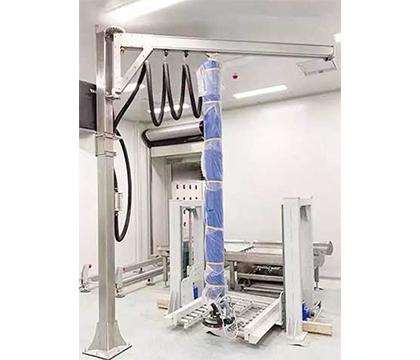
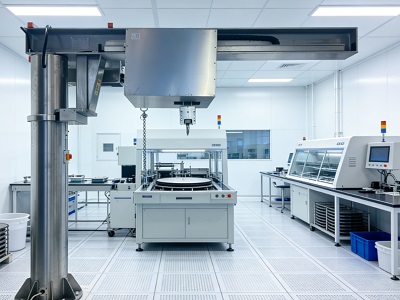
Imagery is representative of engagement types. Client names and facilities withheld under NDA.
Send us your asset list. We will tell you what is due, what is overdue, and what it costs to close the gap.
Contact
Tell us what equipment you have and where it lives. For outage-window or short-notice work, note the date in your message.